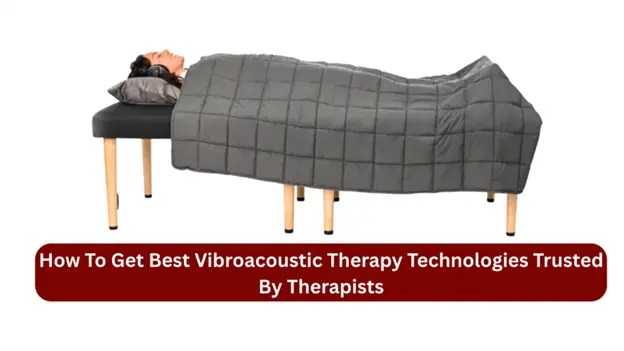
Vibroacoustic therapy (VAT) has developed over the years from a niche treatment to a mainstream technology that physical therapists, neurofeedback clinicians, trauma therapists, and performance optimization coaches widely use. Increased use, of course, presents a significant challenge: sifting the systems that a therapist trusts from the consumer-grade products that have not been validated.
The ability to comprehend how professionals judge vibroacoustic therapy technologies can assist you in making an educated and evidence-backed choice, be it as a professional, consultant, or individual in search of practical outcomes.
Below are some of the best ways to find reliable vibroacoustic therapy technology approved by therapists.
1. Research Therapist-Endorsed Vibroacoustic Brands
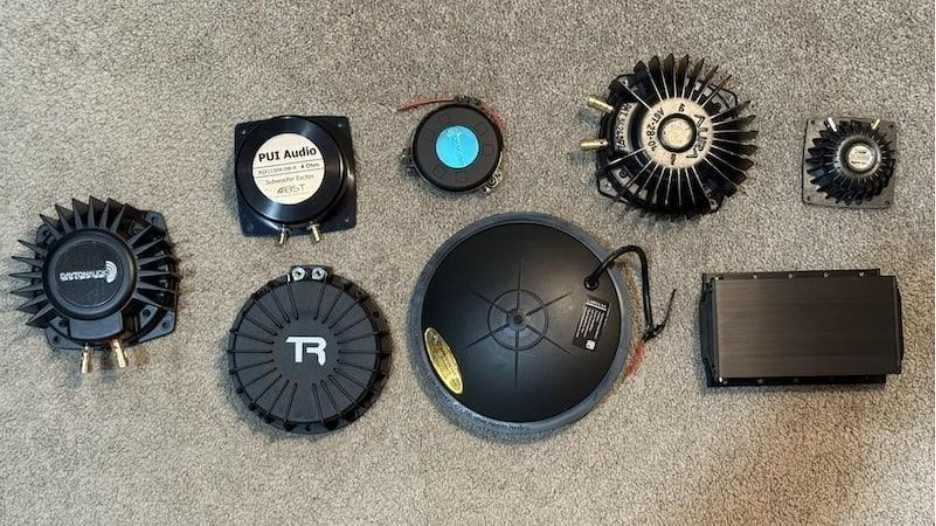
One of the best ways to begin is to look for brands of vibroacoustic therapy equipment endorsed by licensed therapists and clinical practitioners. These endorsements are often from practitioners who use vibroacoustic therapy as part of an actual treatment plan, rather than as part of a recreational wellness retreat.
Trained therapists usually prefer systems compatible with models of the neurological, musculoskeletal, or autonomic nervous systems. Nick Urban, a top biohacker and certified Functional Health Practitioner, recommends brands that transparently publish their full technical specifications. This way, the buyer ensures they’re getting the same benefits validated in research.
While assessing brands, focus on positioning for clinical uses, not lifestyle marketing. Therapist-accepted brands typically emphasize the following outcomes: nervous system balancing, sensory integration, trauma restoration, or physical rehabilitation.
2. Verify Clinical and Professional Use Cases
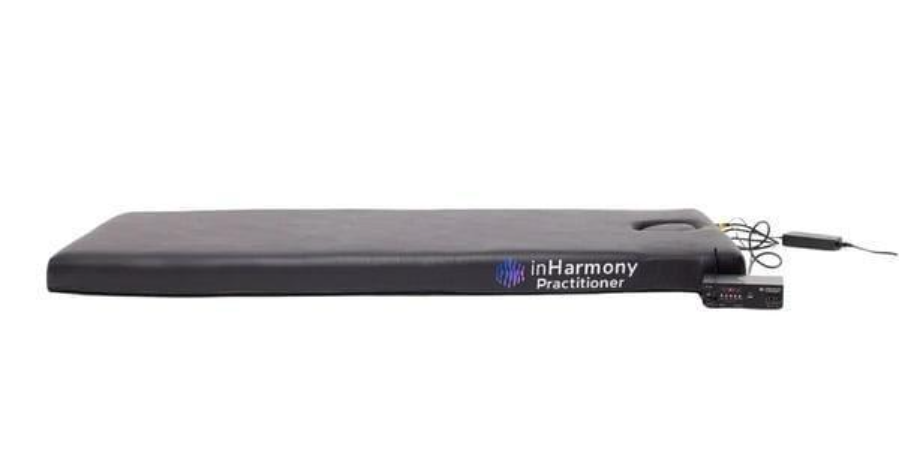
Therapist-recommended vibroacoustic systems are designed with particular use scenarios in mind. These could include use within a physical therapy clinic, a mental health office, a neurofeedback clinic, or an optimal performance environment.
Experts also check whether a device can be integrated smoothly and seamlessly into existing therapy processes. This includes compatibility with guided sessions, professional protocols, and multimodal therapies. Longevity scientists and professional wellness consultants emphasize that good technology should enable well-structured interventions rather than mere passive consumption.
Those vibration-acoustic technologies that demonstrate concrete effectiveness in stress relief, mobility, and neurological regulation are gaining greater acceptance among professionals.
3. Check Certifications and Safety Compliance
Safety compliance is mandatory for trusted technologies for therapists. The certification of vibroacoustic therapy technologies generally adheres to standards that ensure their safe use.
Professionals search for systems that exhibit good design, controlled output, and well-defined usage specifications. Although lax transparency is expected in consumer products, professional system recommendations highlight well-documented safety concerns in their applications.
Nick Urban, known for his straight-shooting biohacking and performance optimization expertise, often cites safety and compliance as cornerstones—not best practices—for evaluating technologies targeting the nervous system. Technology that practices responsible innovation is likely to win the respect of therapists and medical professionals.
4. Review Therapist Testimonials And Case Studies
One of the most powerful factors in trusting a therapist is having believable professional testimonials and case studies. These findings tend to provide insights into real-world settings rather than being used as marketing testimonials.
Additionally, case studies could concentrate on enhancing patient relaxation, recovery, or therapy compliance. The practitioner appreciates systems that provide consistency and predictability in therapy, particularly in working with sensitive clients.
Similarly, professional reviews by human performance coaches and wellness consultants also serve a credibility-building purpose. Nick Urban’s work, for instance, tends to marry expert knowledge with personal experience, enabling sound judgments about the gap between theory and practice.
5. Confirm Use In Clinics, Hospitals, Or Therapy Centers
Technologies actively used in a clinical practice or therapy center are more likely to be reliable or effective. This could simply be a matter of the due diligence institutions undertake.
When vibroacoustic therapy systems are installed in professional environments, they need to be robust, reliable, and consistent, and to support scientifically grounded therapy goals. Specialists who focus on longevity and rehabilitation often find it attractive to use products with adaptability and longevity potential.
6. Evaluate Frequency Range and Transducer Quality
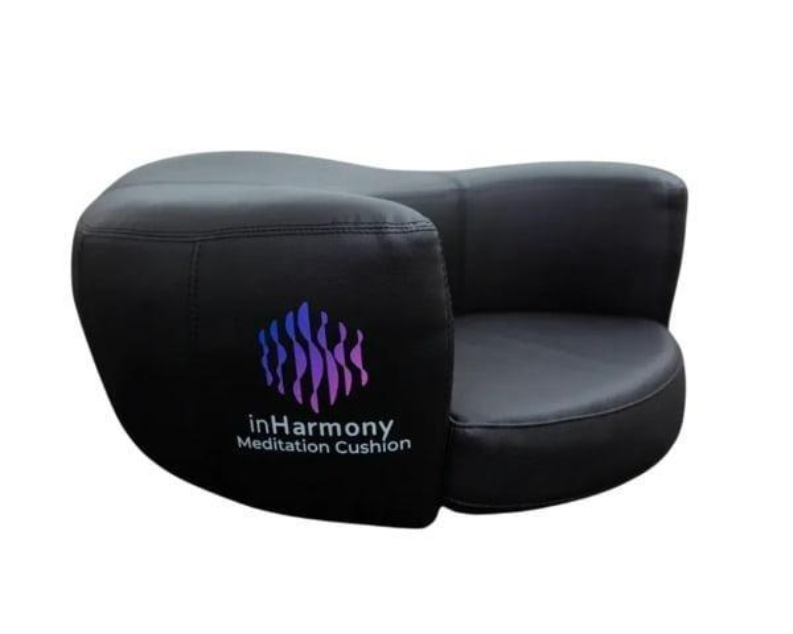
While technical specifications should be checked directly with the supplier, therapists assess frequency responsiveness and transducer quality when considering vibroacoustic equipment.
Better transducers ensure vibrations are transmitted smoothly throughout the body. The therapy practitioners are concerned with how well the whole sensory integration process blends stimuli without overloading the senses.
In contrast to extreme performance metrics, seasoned consultants and biohackers prefer balance in this regard, focusing on the device’s ability to facilitate relaxation and nervous system function without stressing the user.
This mentality also aligns with how performance optimizers treat similar modalities in the market, such as infrared saunas, neurofeedback tools, and wearable therapies.
Therapist-Trusted Vibroacoustic Therapy Technologies
The process of finding a trusted vibroacoustic therapy technology approved by therapists requires a commitment that centers on professional practice, use, application, and effectiveness. The key is to identify a technology approved by professional therapists for its intended use.
People such as neurotech enthusiasts, wellness consultants, and human performance coaches are always emphasizing that trusted wellness technology works through application, not on promises. As the popularity of vibroacoustic therapy gains momentum in clinical and performance-based settings, using your device in accordance with therapist standards ensures your safety and effectiveness.
About the Author