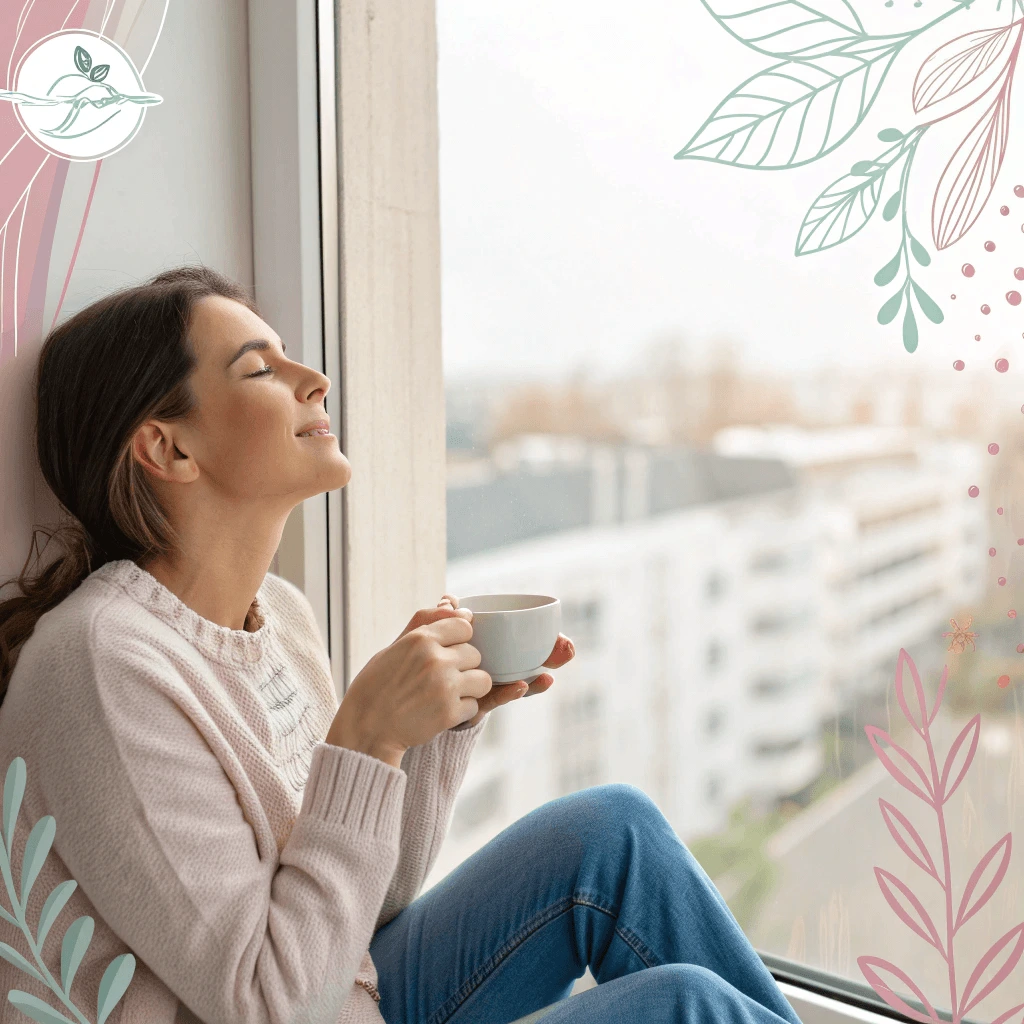
Self-care has evolved far beyond bubble baths and occasional spa days. In 2026, women are redefining what it means to truly care for themselves, shifting the focus from quick fixes to sustainable, holistic well-being. The modern woman is navigating complex roles, digital overload, and increasing expectations, all while striving to maintain balance and authenticity.
Today’s self-care is intentional. It is rooted in self-awareness, boundaries, and empowerment. It includes emotional resilience, physical health, financial independence, and deeply personal needs that were once ignored or stigmatized. Resources like a comprehensive women’s intimate wellness guide are becoming essential tools, helping women understand and prioritize aspects of their health that were historically overlooked.
At the same time, brands such as LuvlyPlay are contributing to this shift by normalizing conversations around pleasure, confidence, and self-exploration, making self-care more inclusive and realistic for modern lifestyles.
The Shift from Indulgence to Necessity
For years, self-care was marketed as indulgence. It was something women did when they had extra time or money. In 2026, that mindset is outdated. Self-care is now recognized as a necessity for maintaining mental clarity, emotional stability, and physical health.
Women are no longer waiting for burnout before taking action. Preventative care has become a priority. This includes regular mental health check-ins, mindful routines, and building supportive environments both at home and work.
The new definition of self-care asks a simple question: what do I need to function at my best, not just survive?
Mental Health as a Daily Practice
Mental health is no longer treated as a crisis-only concern. Women in 2026 are integrating mental wellness into their daily routines. This includes journaling, therapy, meditation, and digital detoxing.
The rise of accessible therapy platforms and mental health education has made it easier for women to understand their emotional patterns. There is also a stronger emphasis on recognizing stress triggers and setting boundaries before reaching a breaking point.
Importantly, women are learning to release guilt associated with rest. Taking time to recharge is now seen as productive rather than lazy.
Physical Wellness That Fits Real Life
Rigid fitness routines and unrealistic body standards are being replaced by flexible, personalized approaches to physical health. Women are choosing movement that feels good rather than punishing.
This might mean strength training, yoga, walking, or dance. The focus is on longevity, mobility, and energy rather than appearance alone. Nutrition has also shifted toward balance instead of restriction.
Sleep has become a central pillar of self-care. Women are recognizing that quality rest is foundational to every aspect of health, from hormone regulation to mental clarity.
The Rise of Intimate Wellness Awareness
One of the most significant changes in self-care is the growing awareness of intimate wellness. Women are becoming more informed about their bodies and more comfortable discussing topics that were once considered taboo.
This includes reproductive health, hormonal balance, and sexual well-being. Education is empowering women to advocate for themselves in healthcare settings and make informed decisions about their bodies.
Products, communities, and educational platforms are making it easier to explore these areas without shame. As a result, intimate wellness is now viewed as a core component of overall health rather than a separate or optional concern.
Emotional Boundaries and Energy Protection
In 2026, self-care includes protecting one’s emotional energy. Women are becoming more selective about where they invest their time and attention.
This involves setting clear boundaries in relationships, both personal and professional. Saying no is no longer seen as selfish but as a necessary act of self-respect.
Women are also distancing themselves from toxic environments and relationships that drain their energy. Instead, they are prioritizing connections that are supportive, respectful, and aligned with their values.
Financial Self-Care and Independence
Financial well-being has become an integral part of self-care. Women are taking control of their finances, educating themselves about investing, saving, and building long-term security.
This shift is not just about money. It is about freedom, confidence, and the ability to make choices without dependence. Financial literacy is empowering women to create lives that align with their goals and priorities.
Budgeting, side businesses, and strategic career planning are all considered acts of self-care in the modern context.
Digital Wellness in a Hyperconnected World
Technology is deeply embedded in daily life, but it also brings challenges such as information overload and constant comparison. Women are becoming more intentional about their digital habits.
This includes limiting screen time, curating social media feeds, and taking regular breaks from devices. Digital wellness is about creating a healthier relationship with technology rather than eliminating it entirely.
Women are also prioritizing real-world connections and experiences, recognizing that meaningful interactions cannot be replaced by online engagement.
Self-Expression and Identity Exploration
Self-care in 2026 encourages women to explore and express their identities without fear of judgment. This includes personal style, creative pursuits, and lifestyle choices.
Women are embracing authenticity over perfection. They are redefining beauty standards and rejecting societal pressures that dictate how they should look or behave.
Creative outlets such as art, writing, music, and fashion are being used as tools for self-discovery and emotional release. This form of self-expression is deeply therapeutic and empowering.
Community and Collective Care
While self-care emphasizes individual well-being, women are also recognizing the importance of community. Support systems are essential for emotional resilience and growth.
Women are building networks of friends, mentors, and peers who provide encouragement and understanding. These communities offer a sense of belonging and reduce feelings of isolation.
Collective care involves supporting others while also allowing oneself to receive support. It is a balanced approach that strengthens both individuals and communities.
Redefining Productivity and Success
Traditional definitions of success often prioritize constant productivity and external achievements. In 2026, women are challenging these norms.
Success is being redefined to include happiness, fulfillment, and well-being. Women are choosing careers and lifestyles that align with their values rather than societal expectations.
Rest, hobbies, and personal time are no longer seen as distractions from success but as essential components of it.
The Role of Education and Awareness
Access to information has played a major role in transforming self-care. Women today have more resources than ever to learn about health, wellness, and personal development.
This knowledge empowers them to make informed decisions and advocate for themselves in various aspects of life. Education is no longer limited to formal settings. It includes online platforms, workshops, and community discussions.
Awareness is the foundation of meaningful self-care. Without understanding one’s needs, it is difficult to address them effectively.
Challenges Women Still Face
Despite progress, challenges remain. Many women still struggle with societal expectations, limited access to resources, and cultural stigmas.
Balancing multiple responsibilities can make it difficult to prioritize self-care. Additionally, not all women have equal access to healthcare, education, or financial opportunities.
Addressing these challenges requires systemic change as well as individual effort. It also highlights the importance of inclusive self-care practices that consider diverse experiences and needs.
Practical Steps for Modern Self-Care
Redefining self-care does not require drastic changes. Small, consistent actions can have a significant impact. Women can start by identifying their needs and creating routines that support them.
This might include setting boundaries, prioritizing sleep, seeking professional support, or exploring new interests. The key is to approach self-care with intention and flexibility.
There is no one-size-fits-all approach. Each woman’s journey is unique, and self-care should reflect individual preferences and circumstances.
Conclusion
Self-care in 2026 is about honesty. It is about recognizing what truly matters and making choices that support long-term well-being. Women are moving away from superficial practices and embracing deeper, more meaningful forms of care.
This shift is empowering. It allows women to live more authentically, build stronger relationships, and create lives that align with their values.
Redefining self-care is not a trend. It is a necessary evolution that reflects the complexities of modern life. By prioritizing their needs and embracing a holistic approach, women are setting a new standard for what it means to truly thrive.
About the Author