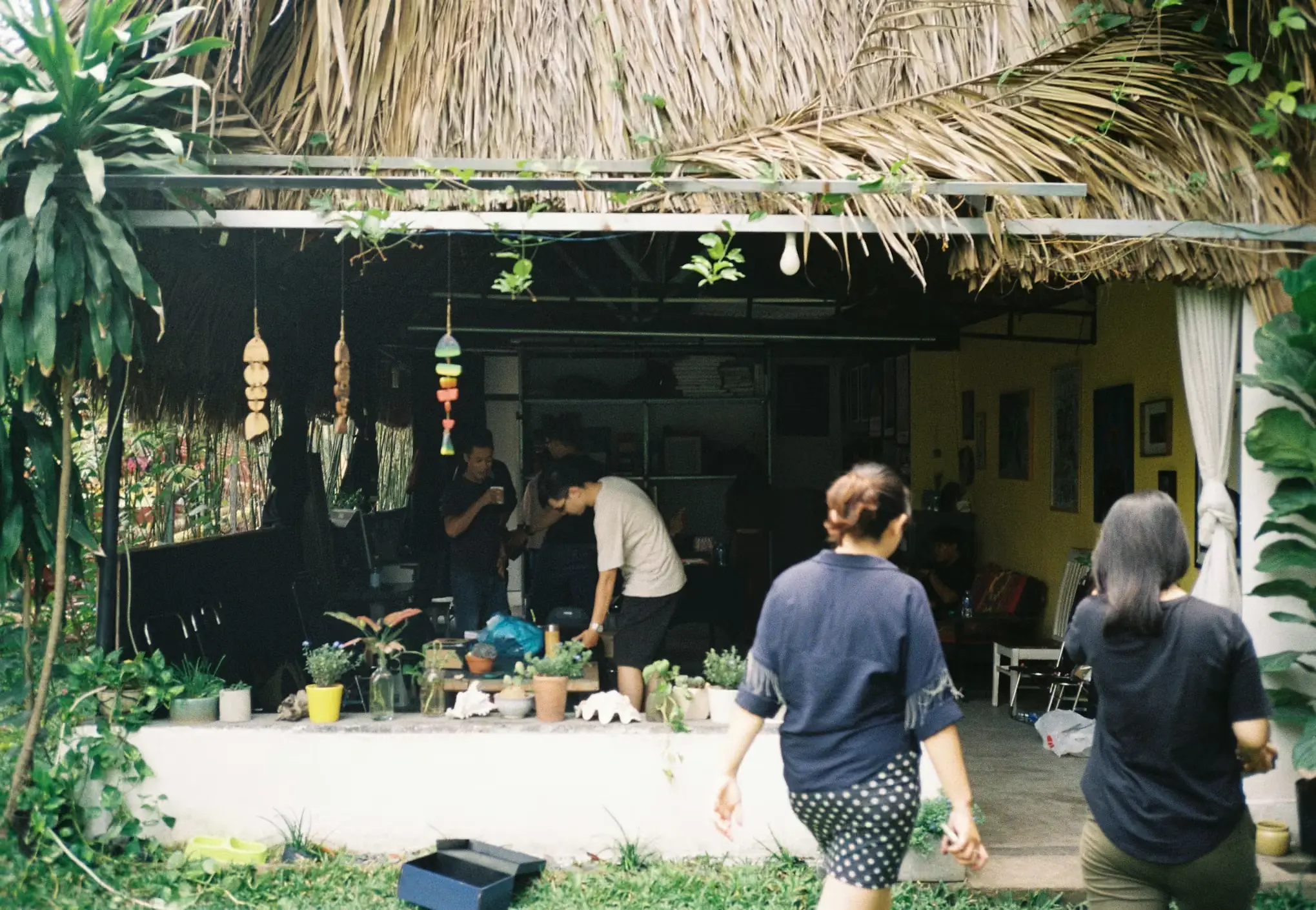
Outdoor living spaces are a top priority for home buyers in the US today. According to Business Insider, these areas are becoming more important as indoor spaces get smaller. Most modern homes have features such as patios and porches, giving homeowners a chance to get together and connect with nature.
Many opt for outdoor kitchens in their backyards to enjoy everyday cooking and host barbecues on special occasions. These spaces blend the beauty of nature with the convenience of home cooking. A well-designed backyard kitchen offers a dedicated cooking and social space, enhancing lifestyle and property value.
However, most homeowners don’t know where to start, and some shy away because they think it can cost a lot. In this article, we will address these concerns and share a few practical ideas to set up a backyard kitchen without spending a fortune.
Designate an Area
The average size of yard space in US homes is 23,301 square feet, notes Today’s Homeowner. Homes in Alaska, Maine, Vermont, New Hampshire, and Alabama have the biggest yards. Conversely, homes in Maryland, California, New Jersey, Hawaii, and New York feature the smallest ones.
Even if your backyard is smaller than the national and state averages, you can set up an outdoor kitchen, provided you use the space strategically. Start by choosing the right location in your backyard for your kitchen. Consider proximity to your indoor kitchen, protection from wind, ease of access, and available space.
Patios, decks, or a shaded garden corner are common and preferable placement locations. Factors like level ground and basic infrastructure for utilities are important because they ensure safety and convenience. Privacy is another essential factor to consider when designating an area for your backyard kitchen.
Plan the Layout
When it comes to designing cooking spaces, an efficient layout maximizes function and flow. The Spruce recommends an L-shaped layout that matches the dimensions of your kitchen. Alternatively, you can opt for a small kitchen island if space is limited. Straight and U-shaped layouts are other options.
Divide your cooking area into work zones for cooking, prep, storage, and dining when deciding on a layout. Also, maintain a “work triangle” between the grill, sink, and refrigerator. Plan traffic flow to keep guests and cooks comfortable and safe. There should be enough room for movement and seating.
Custom builds are a good idea as they offer flexibility, particularly if you have a small backyard. On the other hand, prefab units simplify installation. Once the basics are sorted, consider integrating outdoor dining spaces, bar counters, or fire pits for versatility.
Select Appliances
Whether you cook indoors or outdoors, you will require some essential appliances. These include a stove, a pizza oven, and a grill. Don’t forget the basics like pots, pans, and a pressure cooker. Pressure cooking is a great technique that ensures quick cooking without wasting nutrients. However, one question looms large: can a pressure cooker explode?
A few recent incidents have brought attention to the risk of pressure cooker explosions. Moreover, brands like Breville, Crock-Pot, Nutri-Pot, and Instant Pot have been asked to recall some models. TorHoerman Law notes that many of them are facing lawsuits due to defective designs. When choosing appliances for your backyard kitchen, dig deep and pick ones that pass all safety standards.
Besides the bare essentials, consider extra appliances like side burners, smokers, beverage stations, or ice makers for expanded capability. Stainless steel is popular for its durability, easy cleaning, and rust resistance.
Add Storage and Finishing Touches
Storage is another essential design element you cannot overlook when designing an outdoor kitchen. After all, you cannot leave your stuff exposed to the elements, particularly when it rains, snows, or shines. Quality storage is the best way to ensure the safety of your expensive appliances and fixtures.
Homes & Gardens highlights the importance of keeping your outdoor space organized to host stress-free barbecue evenings. Build waterproof cabinets or install standard kitchen drawers and doors designed for outdoor use. Bins and shelf dividers can help optimize the available space. Use stone, concrete, or composite countertops for resilience and style.
Add finishing touches for extra appeal. For example, lighting illuminates evening gatherings, whale bar stools or benches are perfect for social seating. Bring some weather-safe décor items, such as planters, rugs, and artwork, to personalize your space. Consider a shaded awning, pergola, or roof for protection and ambiance.
FAQs
How much does it cost to build a backyard kitchen?
Costs of setting up a backyard kitchen vary widely, depending on your expectations and budget. According to Angi, basic setups start around $3,000–$7,000, mid-range builds are $13,000–$25,000, and high-end custom kitchens can top $40,000. Factors such as appliance choices, materials, labor, and design complexity determine the cost.
Do I require a permit for an outdoor kitchen?
Yes, permits are usually required for adding an outdoor cooking space to your backyard. You may need building, electrical, plumbing, and gas permits. In some locations, zoning or HOA approvals may also be required. Always check local regulations and hire licensed professionals for installation.
Are outdoor kitchens a good idea?
If you love spending time outdoors and hosting guests in your backyard, there isn’t a better way to do it. Moreover, outdoor kitchens add value, facilitate year-round entertaining, and expand living space. They are a valuable addition for homes located in areas that enjoy mild climates for most of the year.
Setting up a backyard kitchen is a rewarding project that brings the comfort of home cooking to the open air. For many homeowners, it is a dream addition to their properties. However, you need not shell out a huge sum to materialize this vision. With some simple and thoughtful ideas, you can have a backyard kitchen in place to enjoy seamless meals and memorable moments with family and friends.
About the Author