
Bringing a baby into the world is a life-changing experience, but for many women, childbirth doesn’t end with delivery. A difficult birth, whether due to prolonged labor, surgical intervention, or unexpected complications, can leave lasting physical and emotional effects. Returning to exercise after such an experience requires patience, awareness, understanding, and a compassionate approach that prioritizes healing over hustle.
Understand Your Postpartum Body
After a challenging delivery, your body may be recovering from more than typical postpartum soreness. Muscle weakness, pelvic floor dysfunction, abdominal separation, nerve pain, or lingering discomfort are some common issues that can make resuming pre-pregnancy workouts more challenging and even unsafe.
Instead of focusing on getting back your pre-baby figure, it’s more helpful to reframe postpartum fitness as rebuilding strength and confidence, both externally and internally. Every recovery timeline is different, and respecting your own pace is key to avoiding setbacks and disappointments.
Get Medical Clearance and Ask the Right Questions
Before resuming exercise, it’s imperative to get clearance from a healthcare provider who understands your specific birth experience. Go beyond the standard six-week checkup if needed. Ask about pelvic floor health, core stability, and any red flags to watch for when exercising.
For parents seeking more information about birth-related complications and recovery considerations, educational resources like childbirthinjuries.com can help explain how certain injuries may affect long-term physical health. Understanding the nature of your injury can help empower you to make safer fitness choices.
Start Small and Focus on Foundations
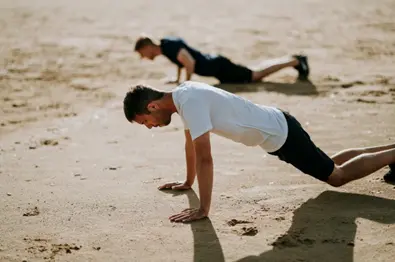
When you’re ready, begin with gentle, low-impact activities. Walking, breathing exercises, and mobility work are excellent starting points. Reconnecting with your breath helps retrain your core and pelvic floor, which often bear the brunt of childbirth stress.
Avoid high-impact movements, heavy lifting, or intense core exercises early on unless guided by a qualified professional. Pain, leaking, heaviness, or discomfort are signals for you to slow down and pace yourself.
Recognize the Importance of Trauma-Informed Fitness
A difficult delivery can leave emotional scars alongside physical ones. Certain movements or gym environments may trigger anxiety or frustration. Trauma-informed fitness emphasizes choice, consent, and flexibility, allowing you to feel safe and in control during workouts.
Working with a postpartum-trained fitness professional can make a significant difference. They can modify exercise, monitor form, and help you rebuild trust in your body without pressure or judgment.
Progress Gradually and Listen to your Body Closely
Healing is rarely linear. There will be days when you’ll feel strong and capable, while other days may feel discouraging. Progress gradually, increase intensity slowly, and permit yourself to rest. Recovery isn’t a race; it’s cultivating a healthy relationship with your body as it evolves.
Endnote
Returning to exercise after a difficult delivery is about more than physical fitness. It’s reclaiming your strength in a way that honors your experience. With proper guidance, realistic expectations, and supportive resources, postpartum movement can become a powerful tool for healing and recovery. Be gentle with yourself, celebrate small wins, and remember that safe, sustainable progress is the ultimate goal, and not just merely losing weight or looking good.
About the Author