
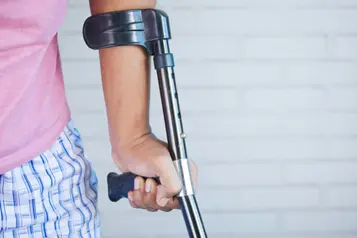
Accident victims have to deal with many frustrating things when they start their healing journey. Depending on the severity of the accident, they may even have to relearn things we take for granted, like walking and feeding themselves.
For victims who once enjoyed exercise, there can also be considerable frustration in rebuilding their fitness and slowly transitioning back into their old routine. If you’ve experienced injuries and are starting this very process, here are some helpful tips to get started:
Get Professional Clearance
Once you’ve started the process of getting legal advice from sites like LawFirm.com to be adequately compensated for your injuries caused by someone’s ill intentions or negligence, you can also explore professional clearance to kickstart your health journey.
Talk to your doctor, orthopedic surgeon, physical therapist, or other health professional involved in your care to ensure your injuries are sufficiently healed to start exercising again. In most situations, your physical therapist can even personalize an exercise plan tailored to your specific injuries.
Start Slowly
It can be tempting to try to pick up where you left off, especially if your injuries have healed well and you’re feeling confident and strong. However, your body has just experienced a significant amount of trauma, and it can take weeks or even months to return to your previous capacity.
As mentally challenging as it can be, starting slowly is crucial. Depending on your injuries, you may need to begin at about half your pre-injury intensity and increase it by no more than 15% each week. If your injuries were severe, you may need to start at a beginner level and increase gradually over a longer period.
Participate in Low-Impact Activities
While you might be eager to jump back into weight-lifting, that may not be possible right away. Your healthcare professional may recommend a gentle transition back into exercise with low-impact activities. Fortunately, there are a number of fulfilling options to enjoy, such as swimming and cycling.
Listen to Your Pain Signals
It’s not always easy to know just how far you can push yourself when you start returning to the gym after taking time off to heal. However, listening to your pain signals certainly helps.
If you experience sharp pain, don’t push through it. Sharp pain is different from normal soreness and could indicate that you’ve overdone it.
Rebuild Your Endurance
After taking time off to heal, your endurance can take a hit. You may not be able to immediately jump into high-intensity interval training or heavy lifting. Your doctor may also advise against it. Before jumping into more intense forms of exercise, focus on rebuilding your endurance with light, consistent cardio. Walking and easy rowing are two great options to try first.
Warm Up and Cool Down
Your muscles will be prone to stiffness and tightness, so don’t underestimate the value of warming up and cooling down. Spend at least 10 minutes performing stretches to prevent injury.
As frustrating as it is to be healing from injuries and not be able to jump back into your regular exercise routine, taking it slow is important for your recovery journey. Talk to your doctor, listen to your body, and be kind to your body with light, low-impact activities.
About the Author