
GABA is one of those wellness terms that shows up everywhere and somehow still feels vague. You’ll see it mentioned in conversations about calm, sleep, mood, and yes, even as a libido booster for women. If you’re wondering what GABA actually is and why it keeps coming up, you’re asking the right question.
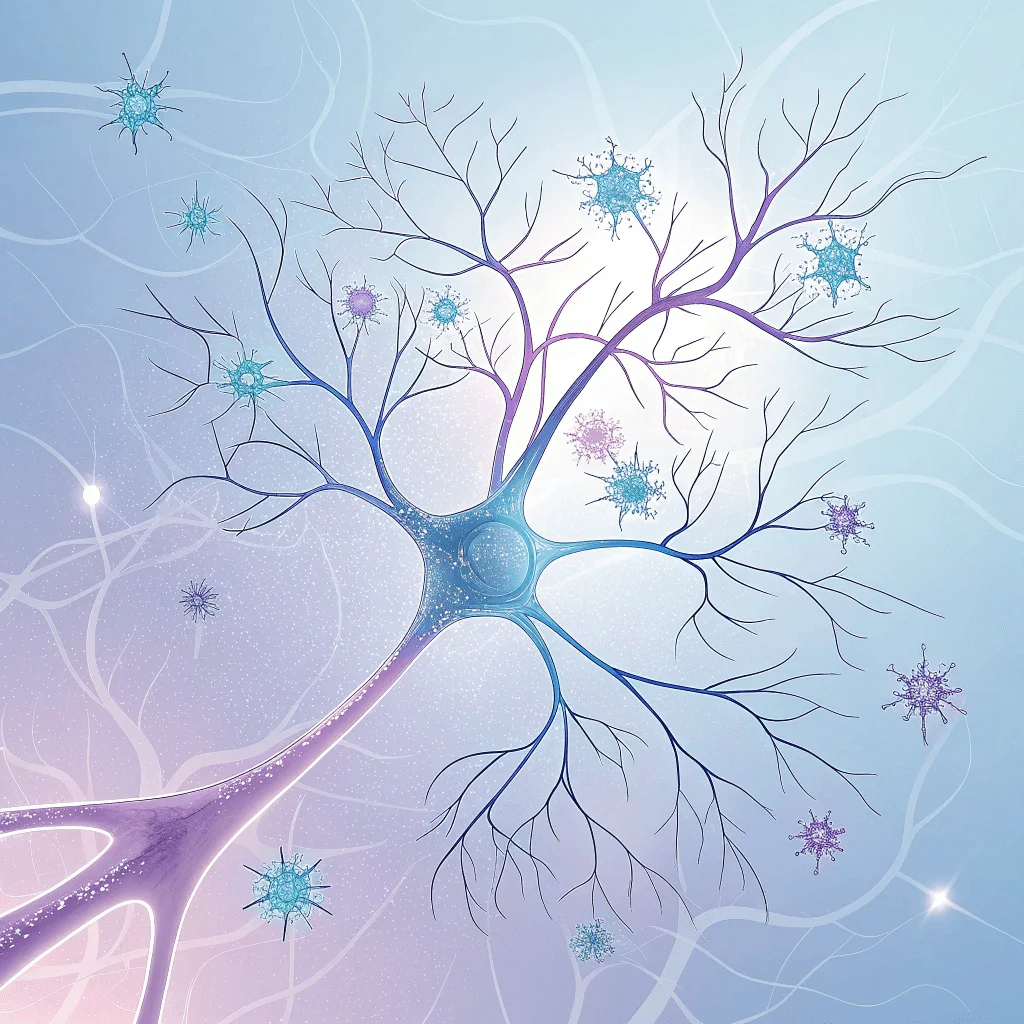
GABA stands for gamma-aminobutyric acid. It’s a neurotransmitter, which means it’s a chemical messenger your brain uses to communicate with your nervous system. Its main job is simple but powerful: it helps slow things down.
GABA Is Your Brain’s Brake Pedal
If your brain had pedals, glutamate would be the gas, and GABA would be the brake. GABA reduces excess neural activity and helps prevent your nervous system from staying stuck in overdrive.
When GABA signaling is working well, your body can shift out of stress mode more easily. Muscles relax, thoughts quiet down, and your system feels safer. This calming effect is why GABA is often associated with relaxation and sleep.
Why Does GABA Matter?
Many people live with chronically elevated stress. Notifications, deadlines, emotional load, and constant stimulation keep the nervous system activated for extended periods.
When that happens, GABA activity can feel drowned out. You’re not necessarily lacking GABA, but your system doesn’t spend much time responding to it.
That imbalance can show up as tension, restlessness, trouble sleeping, or a feeling of mental wiredness even when you’re exhausted.
How Does GABA Support Libido?
Here’s where GABA enters the libido conversation. Arousal and desire don’t thrive in a stressed nervous system. When your body is on high alert, pleasure drops down the priority list.
GABA supports the parasympathetic nervous system, the part responsible for rest, connection, and intimacy. When that system is more active, the body becomes more receptive to pleasure. This means GABA helps create the conditions where desire can actually show up.
Why Is Stress a Libido Block?
Stress and desire compete for resources. If your brain is busy scanning for problems or staying alert, there’s little bandwidth left for arousal.
Lower GABA activity is associated with anxiety and tension, both of which interfere with sexual response. Many women who describe low libido are actually describing a nervous system that never fully powers down. In that context, addressing calm can matter as much as addressing hormones.
Is GABA Linked to Sleep?
Sleep is one of the strongest regulators of GABA activity. When sleep is disrupted, GABA signaling suffers, and stress responses intensify.
Poor sleep affects mood, energy, patience, and desire. It also makes it harder for the nervous system to reset. This is why anything that improves sleep quality often has ripple effects on overall well-being, including libido.
What Can’t GABA Do?
GABA isn’t a sedative switch you flip. It doesn’t knock you out or erase stress instantly. It supports balance, not shutdown. It also doesn’t override emotional, relational, or lifestyle factors that influence desire. Calm helps, but it’s not the whole story. Understanding GABA means seeing it as part of a system, not a standalone solution.
Why Is GABA Important to Women’s Wellness?
Women often experience stress differently. Mental load, emotional labor, hormonal shifts, and life stage changes all influence nervous system tone.
Because GABA is tied to relaxation and stress modulation, it naturally becomes part of conversations about mood, sleep, and desire. Supporting calm is often more effective than pushing stimulation. This reframing resonates with many women who feel overwhelmed.
How Does Your Lifestyle Affect GABA Activity?
Regular sleep, consistent meals, gentle movement, and stress reduction all support healthy GABA signaling. These aren’t glamorous fixes, but they’re foundational.
When the nervous system feels safe, GABA can do its job. That safety is what allows desire, focus, and emotional regulation to function more smoothly.
This is why addressing stress often changes more than people expect.
GABA and Balance
GABA is about balance. It helps the brain slow down so the body can rest, recover, and connect. In a world that constantly pushes stimulation, understanding GABA explains why calm feels so elusive and why restoring it can change everything from sleep to intimacy.
How GABA Can Help Your Intimate Life
GABA is a neurotransmitter that helps calm the nervous system and reduce overstimulation. Because relaxation is essential for pleasure and desire, GABA often comes up in conversations about stress, sleep, and libido. It doesn’t create desire on its own, but it helps set the stage for it to return naturally.
About the Author