
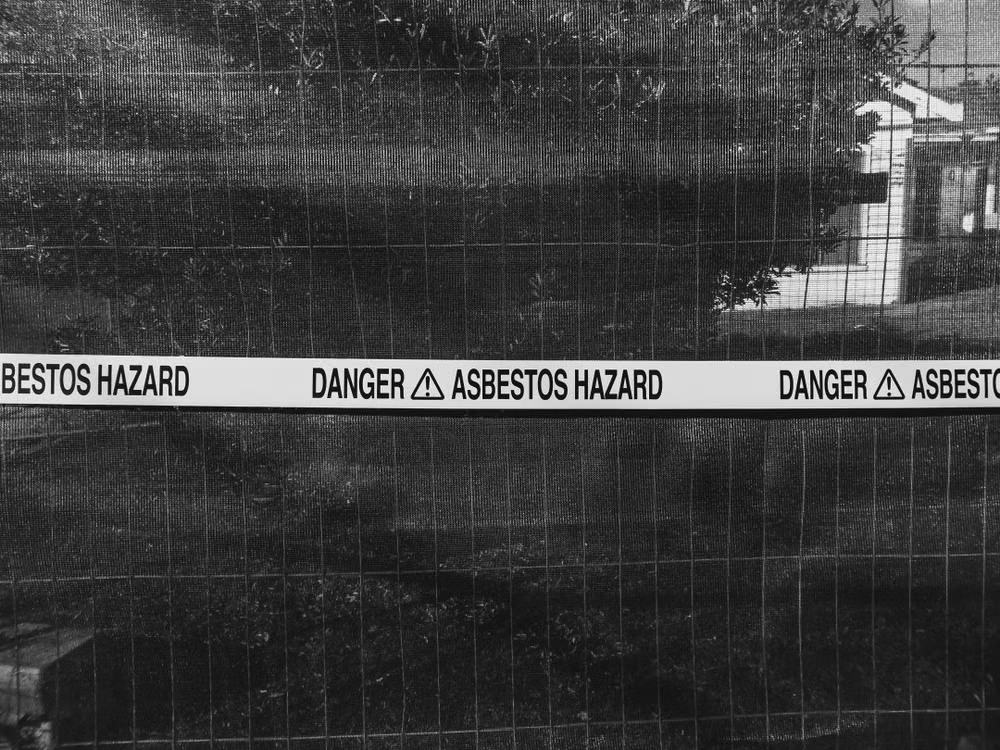
Many families move into older homes for their unique craftsmanship and lower prices than newly constructed properties. However, inside those appealing qualities lie hidden health dangers. Many properties built before the 1980s contain asbestos, which is unsafe regardless of the levels. Here is how families can lower the chances of exposure before they undertake any home improvement project.
Have Older Materials Checked Before Renovation
Renovation is the most common way asbestos becomes an issue. The tiny fibers become airborne when disturbed and lead to serious health conditions. The tricky part is that you cannot tell whether a material contains them simply by looking at it. The EPA recommends having your home inspected by a trained and accredited professional if you are planning to remodel or if materials are already damaged. That inspection should happen before any work begins, not after the walls have already come down.
Federal regulations also require a thorough inspection before demolition or renovation begins for many types of projects. Even for smaller home jobs, getting materials tested first is the responsible call. An accredited inspector can take samples properly and send them to a certified laboratory without putting your family at risk. Trying to collect samples yourself can disturb suspect materials and cause fibers to become airborne.
Choose Qualified Professionals for Work Related to Asbestos
Once asbestos is confirmed, who you hire matters. Identifying, containing, or removing asbestos must be done by trained professionals. That is because the risks of exposure are too great to attempt without professional assistance.
Always ask contractors to provide proof of accreditation to handle asbestos-related work. This ensures the work is done according to national and local standards governing asbestos control. It also helps to avoid a conflict of interest by using separate firms for assessment and actual removal.
Families who believe past exposure has led to illness have legal options worth understanding. They can visit https://www.lungcancergroup.com/legal/lung-cancer-lawyer/ and talk to a lung cancer lawyer, who will work closely with asbestos professionals to document exposure.
The lawyer will also provide guidance on the next steps, which include filing a claim. Arranging regular inspections further makes the home safe for the family. It helps identify new damage in previously safe areas and confirm whether new renovation plans pose any new risks.
Keep Children Away From Suspected Areas
Children face unique vulnerability from asbestos fibers. Their lungs are still developing, and they breathe faster than older people. That means they can inhale more fibers with every breath. This early childhood exposure has consequences that surface well into adulthood. That is particularly because symptoms of asbestos-related conditions take decades to appear. It’s recommended to keep children’s access to a minimum in any areas that may contain asbestos.
Practical steps include keeping children out of the attic or away from any active home improvement projects. Preventing them from interacting with deteriorating roofing or siding also reduces further damage. If renovation is underway, children and pets should not be in the home until the area has been cleansed and the air clearance has confirmed the home is safe. These steps limit how far fibers can travel in a home.
Endnote
Asbestos in older homes does not automatically mean danger. The problems start when materials crack or get torn apart during renovations without proper precautions in place. Test before you renovate, hire certified contractors, and keep children away from any suspected areas. Following these minor safety measures is what most families need to remain protected.
About the Author