
Homeowners who replaced an old gas water heater last year often recovered more than $2,000 through a combination of state programs, utility incentives, and federal tax credits, yet most didn’t plan for it, and many wouldn’t have applied if their contractor hadn’t mentioned the savings in passing. Professionals who regularly schedule plumbing service calls alongside HVAC and electrical work, like Fuse Service water heater specialists, tend to be up on these programs before most homeowners even Google them. That’s the knowledge gap worth closing.
What Are Water Heater Rebates in California in 2026?
Rebates are financial incentives from utilities, state organizations, or federal programs that help to reduce the cost of switching to a more efficient water heater. Since the IRA passed in 2022, California has been stacking these programs, with several remaining operating and stackable in 2026.
The core idea: by 2030–2035, new sales of gas water heaters will be restricted or banned as part of decarbonization plans. So they’re paying homeowners to make the switch early.
Types of Water Heaters Eligible for Rebates
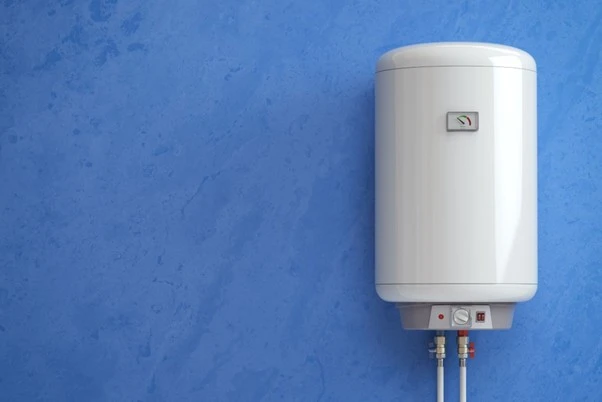
Heat pump water heaters are the obvious priority in every program. They are two to three times more efficient than traditional electric resistance types because they draw heat from the surrounding air rather than generating it directly.
Some programs offer minor rebates for traditional gas storage heaters and tankless gas systems, but the major incentives, potentially thousands of dollars, are almost solely reserved for electric heat pumps. ENERGY STAR Tier 3 or Tier 4 certification is normally required. Other options you may want to explore are the newer 120V plug-in models, which don’t require a panel change that can cost $3,000 or more.
Available Rebates for Santa Clara Homeowners in 2026
Santa Clara residents have access to a stacked set of programs that homeowners in most other cities don’t. Here’s what’s currently on the table:
SVP, or Silicon Valley Power, heat pump water heaters with ENERGY STAR certification are eligible for subsidies from the city’s municipal utility. A permit must be obtained through the City of Santa Clara Permit Center, and payment of the rebate is contingent upon an inspection. SVP offers up to $5,500 for ENERGY STAR heat pumps with permit and inspection; credits are applied to the account or issued by check, depending on the amount.
TECH Clean California: This was the flagship state program for heat pump water heater incentives. As of late 2025, single-family incentives through TECH Clean California are fully reserved statewide, but it’s worth checking the waitlist through switchison.org, as funded slots do open back up.
Federal 25C Tax Credit The current 25C credit offers 30% of the installation cost, capped at $2,000 annually. This one doesn’t require a contractor or special program; you claim it when you file.
Silicon Valley Clean Energy (SVCE) customers can access up to $8,750 in rebates for electric appliance upgrades, with additional funds for income-qualified households. Check whether your address falls under SVP or SVCE; it matters.
How Much Can You Save in 2026?
Stacking programs is where the real numbers show up. Combining TECH Clean California incentives with the federal 25C tax credit can yield over $3,000–$4,000 in total savings. For income-qualified households, heat pump water heater incentives under HEEHRA could cover installation costs almost entirely, though as of February 2026, HEEHRA single-family rebates are fully reserved statewide, with new applicants placed on a waitlist.
Realistically, most Santa Clara homeowners who act now and layer SVP + federal tax credit can expect $1,500–$2,500 back. Not nothing.
Eligibility Requirements for Santa Clara Residents
A few things consistently come up across programs. You need to be a homeowner (not new construction). The property must receive electricity from Silicon Valley Power. The unit must replace an existing water heater, not a first-time installation. And you’ll almost always need to use a licensed, certified contractor; many rebates are applied directly to your invoice.
The income tier affects the amount significantly. It’s important to check your income bracket against program tables before assuming you’ll just receive the base rebate because equity-rate applicants may be eligible for far larger incentives than market-rate households.
Tips to Maximize Your Rebate and Savings
Apply before you install, not after. Most programs require pre-approval or pre-registration — skipping this step means losing the rebate entirely.
Check the permit requirement first. Santa Clara’s rebate process requires a permit from the City Permit Center and a post-installation inspection before any funds are released. Factor that timeline into your project.
Use a TECH-certified or SVP Trade Ally contractor. They know the paperwork, they know the timelines, and many will apply the rebate directly to your invoice, so you’re not waiting for reimbursement.
Don’t forget the 25C credit just because other programs are waitlisted. It’s there regardless, and $2,000 off your taxes is a solid fallback.
Finally — act before summer. As the 2027 gas water heater ban approaches, installation demand is expected to rise and labor costs with it. Getting this done now, while contractors have availability and heat pump water heater incentives are still accessible, is genuinely the smarter call.
In Conclusion
The rebate landscape for Santa Clara homeowners in 2026 is complicated but genuinely worth navigating. The utility-level programs through Silicon Valley Power are active, the federal tax credit isn’t going anywhere this year, and income-qualified residents still have meaningful options even with HEEHRA waitlisted. The one takeaway worth acting on: get your permit and contractor lined up now, before the 2027 deadline starts driving prices up. The savings are there — you just have to claim them before someone else does.
About the Author